What We Believe
What We Believe
The Holy Scriptures
We believe the whole Bible is the final authority in the matters of
faith and practice. (2 Timothy 3:16-17, 2nd Peter 1:20-21)
God the Father
Almighty God, Creator with the Word (Jesus) of all things. (Genesis
1:26, John 1:1-3, John 17:1-3, 1 Corinthians 8:6)
Jesus Christ
He is the only begotten son of God, was God and with God in the
creation of all things and became a human being who lived a sinless life. He became
our Savior by dying in our place on a cross and then resurrected from the dead after 3
days and 3 nights in the tomb. (John 1:1-14, Acts 4:10-12, Hebrews 4:14-15, Philippians
2:8-11)
The Holy Spirit
The comforting Spirit, the Spirit of Truth. The Spirit promised to
believers who have accepted Jesus as their Lord and Savior the Son of God who died
for them. The Spirit is the essence, power, comforter, teacher, advocate, testifies of and
glorifies Jesus, tells of future things to come, and serves as a deposit or guarantee of
eternal life. (John 14:16-18, Acts 2:38, Galatians 5:22-23, John 16:13-16)
Salvation
The gift of God, the means by which God, through Christ’s sacrifice, saves
man from the penalty of sin and gives him eternal life. This process includes one’s
calling, repentance, baptism, justification, receiving of the Holy Spirit, living a life of faith
and obedience, and final birth into God’s Kingdom as a spirit being. Salvation is a freely
given gift from God through grace. (Ephesians 2:8-10, John 3:17, Acts 4:12, Romans
5:9-10)
Man is made in God’s Image
(Genesis 1:27, Genesis 5:1, Psalms 17:15)
Repentance
The first step in reconciliation with God. Acknowledging that sin is
the opposite of God’s ways. It is turning to God from the ways of this world; humbling
yourself and a willingness to obey God, submit to God, follow Him. (Acts 2:38, 2 Peter
3:9, Mark 1:15, Luke 3:3)
Sin
It’s the transgression of the law. (1 John 3:4, Romans 7:7-12)
Baptism
The ceremony of water baptism is performed by immersion in water; it
symbolizes the burial of the old (sinner), man\woman in a watery grave, the washing
away of our sins, and the emergence out of the water as a new, Spirit-led person
(Jesus said born again) spiritually living with Christ’s mind and following in His footsteps.
(Romans 6:3-6, Acts 8:36-39)
The Laying on of Hands
It’s an act performed on special occasions, such as for the
receiving of God’s Holy Spirit after baptism, at ordination, commending to evangelize
and anointing of the sick. (Acts 8:14-17, 1 Timothy 4:14, Acts 13:2-3, Mark 16:17)
Seventh Day Sabbath
We observe the 7th day from Friday sunset to Saturday sunset
as established at creation and observed throughout scripture. (Genesis 2:1-3, Luke
4:16, Mark 2:28, Hebrews 4:9-11)
Faith
t’s the sure knowledge that God exists, and that He will accomplish those
things He has promised. Faith is necessary for salvation. The basic elements of faith
are hope, courage, action, and risk. (Romans 1:17, 5:1, and 10:17)
Passover Service
We observe this holy time, which is often called the Lord’s Supper
in remembrance of Jesus Christ’s sacrifice on the cross for us. (John 19:14-16, 1
Corinthians 11:23-26)
The Church
It’s composed of all the saints, those born again in whom the Holy Spirit
dwells. It is the body of believers, the body of Christ. (1 Corinthians 12:12-31, 1
Corinthians 1:2, Ephesians 5:23, Colossians 1:18)
The Law
The commandments of God found in the scriptures, including new
commandments that Jesus gave. Love one another, forgive and you will be forgiven,
love your enemies, judge not, etc. (Exodus 20:1-17, Matthew 5:17-19, Matthew
5:43-45, Romans 2:12-16)
Resurrection
The hope of all mankind and the promise to all who love Him. Jesus
Christ, the firstborn from the dead and the pioneer of our salvation. Believers are
promised the “first resurrection” – at the coming of Christ Jesus with the angels when
the true believers shall become spirit-composed members of God’s family. There is a
second resurrection of those who missed the first resurrection. (John 5:28-29, 1
Corinthians 15, Revelation 21 and 22)

Passover
Passover commemorated God’s deliverance of the Israelites from slavery in Egypt and the sparing of their firstborn (Exodus 12). But it also pointed to the coming deliverer and savior of all people: Jesus Christ. More specifically, the New Testament identifies the Passover lamb, the lamb sacrificed in place of the family’s firstborn, as a type of the person and work of Jesus. (A type is a divinely ordained correspondence between a person, event, or institution and its antitype or fulfillment. Most Biblical types are fulfilled in the person and work of Jesus.)
Right at the beginning of Jesus’s ministry, John the Baptist prophetically announced that Jesus was “the lamb of God who takes away the sins of the world” (John 1:29). Furthermore, Paul wrote that “Christ our Passover was sacrificed for us” (1 Corinthians 5:7). Finally, Peter identified Jesus as the “lamb without blemish and without spot” (1 Peter 1:19).
All these New Testament references allude to the Passover lamb. Jesus gave the example of the New Testament observance of this festival with the institution of “foot washing” (John 13:1–17), followed by the wine and unleavened bread representing His blood and His body (Matthew 26:17–30, Mark 14:12–26, Luke 22:7–23, 1 Corinthians 11:23–26) as our Passover lamb.
Watch Now: Exchange at the Corss
Feasts of the Lord
Greater Phoenix Church of God celebrates a number of Biblical festivals, as outlined in Leviticus 23. By looking at the symbolism associated with these holy days, a number of Christians view them in light of the life and mission of Jesus Christ.
Listen Now: Feast of the Passover
Listen Now: The New Covenant in My Blood
Days of Unleavened Bread
On the next day after Passover begins the seven days of the Feast of the Unleavened Bread (Leviticus 23:6–8, Exodus 12:17–18). During these days occurred the next greatest event of the children of Israel’s lives: God brought them out of Egypt (Egypt being a type of sin). The parting of the Red Sea was told throughout the known world, an awesome event.
For those of us who are Christians, we remember that Jesus was crucified on the Passover and then resurrected three days and three nights later during the Seven Days of Unleavened Bread. No doubt the resurrection is the greatest event ever to occur during these Days of the Unleavened Bread.
In the New Testament, we see that in Christ Jesus, we are reconciled by His death but saved by His life (Romans 5:10) during these very holy days. During the Days of the Unleavened Bread, we are to eat unleavened bread every day: “…Seven days you must eat unleavened bread” (Leviticus 23:6). Jesus said in John 6:35, “I am the bread of life.” And in John 6:51, “I am the living bread which came down from heaven. If anyone eats of this bread, he will live forever, and the bread that I shall give is My flesh, which I shall give for the life of the world.” Jesus was referring to the symbol of the unleavened bread of the New Testament Passover service (Matthew 26:26, Mark 14:22, Luke 22:19), which represents His body given for us. (Leavening is a type of sin to be purged out of our lives, 1 Corinthians 5:7–8.)
By eating the unleavened bread, we are picturing the taking of Christ Jesus (John 6:48–51) into ourselves. Taking on His righteousness, because we have no righteousness of our own, and avoiding leavened bread for 7 days pictures us rejecting our old sinful nature. The old man or woman is dead we are a new man in Christ Jesus… Ephesians 4:23, Romans 6:6.
Of special note for New Testament Christians: The apostle Paul, 30 years following the resurrection of Jesus, while writing to a mostly gentile church in Corinth, expounded them to keep the Feast of the Passover and Days of Unleavened Bread (1 Corinthians 11:23–26 and 5:7–8). He would admonish us today to do likewise.
Pentecost
This festival was originally a Jewish feast day and was called the Feast of Harvest (Exodus 23:16) or the Feast of Weeks (Exodus 34:22). It was the celebration of the beginning of the early wheat harvest, which fell in May or June.
To determine the date of Pentecost, according to the Old Testament, you would count 50 days from the Feast of Firstfruits, which was the celebration of the beginning of the barley harvest (Numbers 28:26). Fifty days are equal to seven weeks plus one day, or a week of weeks later, which is why the festival was referred to as the Feast of the Weeks (Leviticus 23:9–22).
In the New Testament, which was written in Greek, this festival became known as Pentecost (Pentekostos in the original Greek), which means fiftieth. Jesus told the disciples to wait until they were given power from on high. Acts 1:4-5. And being assembled with them, He commanded them not to depart from Jerusalem, but to wait for the Promise of the Father, “which,” He said, “you have heard from Me; 5 for John truly baptized with water, but you shall be baptized with the Holy Spirit not many days from now.” That baptism with the Holy Spirit occurred 10 days later on Pentecost which marked the beginning of the New Testament church. Acts 2:1-4
Listen Now: Death and Resurrection Part 1
Listen Now: Death and Resurrection Part 2
Feast of Trumpets
The Feast of Trumpets is the fourth of the seven feasts as instituted by God through Moses at Mount Sinai. This Feast looks forward in the future to Jesus’ 2nd coming. Looking at the resurrection and establishment of the Kingdom of God on earth. Matthew 24:30-31. Then the sign of the Son of Man will appear in heaven, and then all the tribes of the earth will mourn, and they will see the Son of Man coming on the clouds of heaven with power and great glory. 31 And He will send His angels with a great sound of a trumpet, and they will gather together His elect from the four winds, from one end of heaven to the other. Rev 11:15 Then the seventh angel sounded: And there were loud voices in heaven, saying, “The kingdoms of this world have become the kingdoms of our Lord and His Christ, and He shall reign forever and ever!” Jesus’ 2nd coming establishes the Kingdom or God on earth to rule 1000 years initially. “Then the Lord spoke to Moses saying, ‘Speak to the children of Israel saying, “In the seventh month of the first day of the month, you shall have a sabbath rest, a memorial of blowing of trumpets, a holy convocation. You shall do no customary work it, and you shall offer and offering made by fire to the Lord’” (Leviticus 23:23–27).
Day of Atonement
This is a day set aside to “afflict the soul,” to atone for the sins of the past year. “And the Lord spoke to Moses saying, “Also the tenth day of this seventh month shall be the Day of Atonement. It shall be a holy convocation for you; you shall afflict your souls and offer an offering made by fire to the Lord. And you shall do no work on that same day, for it is the Day of Atonement, to make atonement for you before the Lord your God” (Leviticus 23:26).
“For any person who is not afflicted in the soul on that same day shall be cut off from his people. And any person who does any work on that same day, that person I will destroy from among his people. You shall do no manner of work; it shall be a statute forever throughout your generations in all your dwellings. It shall be to you a Sabbath of solemn rest, and you shall afflict your souls; on the ninth day of the month at evening, from evening to evening, you shall celebrate your Sabbath” (Leviticus 23:31).
Feast of the Tabernacles / Last Great Day
“Then the Lord spoke to Moses saying, ‘Speak to the children of Israel saying, The fifteenth day of this seventh month shall be the Feast of the Tabernacles for seven days to the Lord. On the first day, there shall be the holy convocation. You shall do no customary work on it. For seven days, you shall offer an offering made by fire to the Lord.
“On the eighth day, you shall have a holy convocation, and you shall offer an offering made by fire to the Lord. It is a sacred assembly, and you shall do no customary work on it. These are the feasts of the Lord which you shall proclaim to be holy convocations, to offer an offering made by fire to the Lord, a burnt offering and a grain offering, a sacrifice and drink offerings, everything on its day—besides the Sabbaths of the Lord, besides your gifts, besides all your vows, and besides all your freewill offerings, which you give to the Lord.
“Also on the fifteenth day of the seventh month, when you have gathered in the fruit of the land, you shall keep the feast of the Lord for seven days. On the first day, there shall be a Sabbath rest, and on the eighth day a Sabbath rest. And you shall take for yourselves on the first day the fruit of beautiful trees, branches of palm trees, the boughs of leafy trees, and willows of the brook, and you shall rejoice before the Lord your God for seven days. You shall keep it as a feast to the Lord for seven days in the year. It shall be a statute forever in your generations. You shall celebrate it in the seventh month. You shall dwell in booths for seven days. All who are native Israelites shall dwell in booths, that your generations may know that I made the children of Israel dwell in booths when I brought them out of the land of Egypt: I am the Lord your God.’ So Moses declared to the children of Israel the feasts of the Lord.” (Leviticus 23:39–43).
Listen Now: Lessons from the Judges Part 1
join us
We Gather Every Saturday
Saturdays, 10:30 am
Speakers
In-House, Guest and DVD Speakers At Greater Phoenix Church of God we invite and incorporate highly knowledgeable biblical speakers for our congregation.
Join us Saturdays at 10:30 for our live Sermons.
Best viewed on Chrome
Who We Are
Humble Beginnings with Great Purpose
What to expect
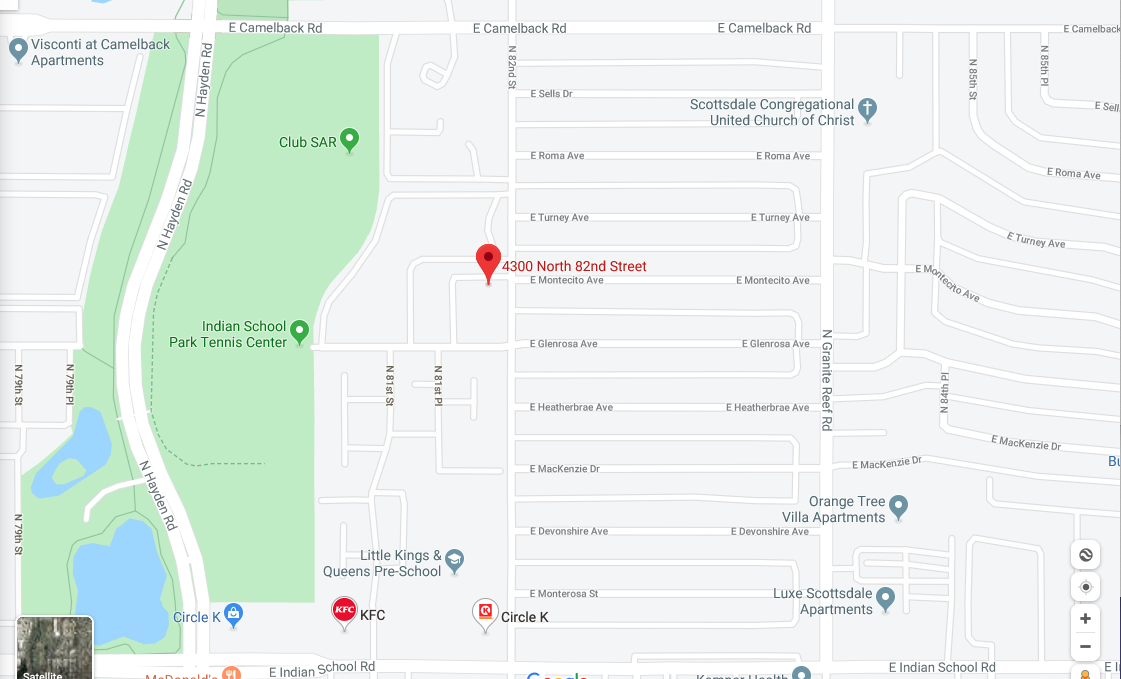
Saturdays at 4300 North 82nd Street, Scottsdale.
Contact Us
Contact & Visiting Info
Explore
Home
Donate Today
Event Calendar
Our Story
What to Expect
Our Pastors
Who We Are
Gallery
Listen Online